7th Grade is Magical Svg Unicorn SVG Review
When you are a designer juggling client deadlines and handmade shop orders, the difference between a good design and a great one often comes down to how it translates from a screen to the fabric. I recently put 7th Grade is Magical Svg Unicorn SVG through its paces with this specific goal in mind: to see if it holds up as a viable asset for real-world embroidery projects. As someone who has seen countless digital files fail during the digitization process or end up looking muddy on the finished product, my initial assessment of this file was cautious but hopeful.
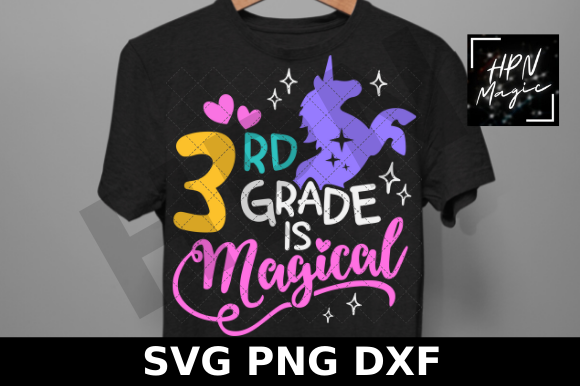
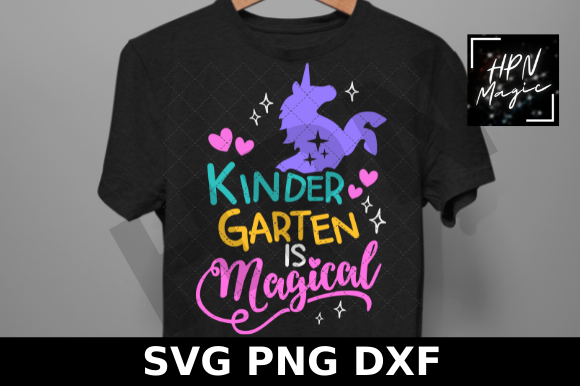
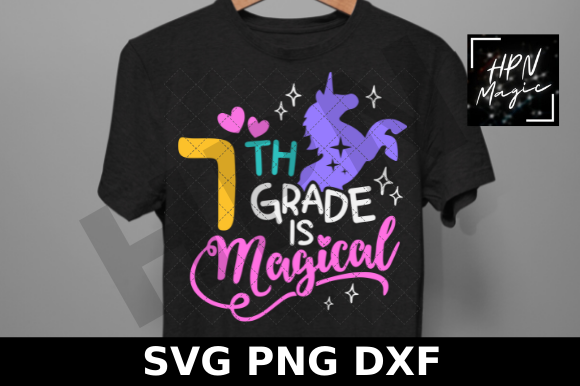
The first impression of 7th Grade is Magical Svg Unicorn SVG is undeniably whimsical. The concept taps into that sweet spot of nostalgia and fantasy that appeals heavily to parents buying gifts for their children. Visually, the layout feels balanced, suggesting that the unicorn motif is likely paired with playful typography. For an Illustrations category piece, the mood is perfect for celebrating a milestone birthday or the transition into middle school. However, the magic doesn't just happen in the download; it happens in the stitch. Does the design have enough structural integrity to survive the tension of a machine needle? That is the question every embroidery designer must answer before hitting start.
Real-World Application: From Digital File to Finished Product
Let's imagine a practical scenario. You are preparing a custom order for a boutique client who wants a special gift for a student entering seventh grade. They have requested a personalized sweatshirt featuring a unicorn theme. This is where 7th Grade is Magical Svg Unicorn SVG enters the workflow. Because the product description notes that it includes vector formats like SVG and DXF, the scalability is promising. You can resize the design without losing the crisp edges required for high-quality stitching.
In a real-life setting, I would test this design on a heavy cotton fleece sweatshirt first. The "magical" aspect suggests a need for vibrant thread colors. If the design relies on fine lines for the unicorn's mane or the lettering details, the choice of stitch density becomes critical. A standard satin stitch might look sharp on a mockup, but on actual fabric, it could pucker if the underlying structure isn't sound. When I reviewed the visual personality of this file, it seemed best suited for medium-sized placements, such as the chest area of a hoodie or the front panel of a tote bag. It creates a sense of fun that customers love, but only if the execution is clean.
Consider also the potential for a small business owner selling these items on Etsy. The versatility of the design allows for multiple product types. You aren't limited to apparel. Imagine taking this same file and applying it to a baby onesie for a younger sibling, or perhaps a kitchen towel for a teacher's gift. The Graphics nature of the file means it can be adapted for various contexts, provided the scale is adjusted correctly. The ability to print the included PNG file at home is a nice touch for creating quick mockups to show clients before committing to the final production run.
Navigating Technical Challenges and Fabric Limitations
While the concept is strong, not every surface is created equal. There are specific situations where 7th Grade is Magical Svg Unicorn SVG requires careful handling. One major constraint to consider is the hoop size. If the design contains intricate details or dense fill stitches, attempting to embroider it in a very small hoop can lead to distortion. The corners of the text or the tips of the unicorn horn might get lost if the stabilizer isn't perfectly aligned.
Fabric texture plays a huge role here. On smooth, stable fabrics like twill or tight-knit cotton, the design will likely pop. However, if you attempt to use this on a textured fabric like a boucle sweater or a stretchy jersey knit without proper stabilization, the result could be disastrous. The tension of the machine pulls the threads, and if the fabric stretches, the letters may warp, ruining the message "Magical." Similarly, dark fabrics present a challenge. Unless the design includes a substantial underlay or a contrasting background color, the light-colored unicorn details might get swallowed by the dark thread count of the shirt.
I also advise caution when using this design for commercial embroidery on curved surfaces like caps. While vector files are excellent for scaling, the curvature of a hat changes how the stitches lay. A design that looks flat on a screen might bunch up on the crown of a cap. For these applications, testing on a scrap piece of the actual hat material is non-negotiable. Additionally, if the design features tiny lettering or very fine decorative accents, it might not hold up well after frequent washing. Embroidery is durable, but delicate details can fray over time if the stitch count is too low.
Design Notes for Professional Results
To ensure your finished product maintains the professional look that customers expect, there are several technical steps you must take. First, always test the design on scrap fabric. This simple step reveals issues with thread tension, stabilizer choice, and stitch density that you cannot see on a computer screen. Check the thread color contrast carefully; a pastel unicorn on a white shirt might lack the impact needed for a standout piece.
Review the stitch density closely. High-density areas can cause the fabric to pucker, while low-density areas might leave gaps in the image. Confirm the hoop size matches the design dimensions to avoid edge distortion. If the design includes applique elements, ensure you have the correct backing material ready. Inspect small details like the eyes of the unicorn or the serifs on the letters to ensure they remain legible after stitching.
Another crucial step is to create black and white mockups. This helps you visualize the silhouette of the design without the distraction of color, ensuring the composition works regardless of the thread palette. Compare how the design looks on both light and dark backgrounds to determine if additional layers or contrasting threads are necessary. Use a proper stabilizer—cut-away for stretchy fabrics and tear-away for wovens—to support the weight of the embroidery.
Finally, verify the licensing terms before selling any finished items. Just because you own the digital embroidery file does not automatically grant you the right to sell products made with it. Some licenses allow for personal use only, while others permit commercial sales up to a certain quantity. Always read the fine print to protect your craft business and avoid legal issues.
Final Thoughts on Value and Appeal
7th Grade is Magical Svg Unicorn SVG offers a compelling opportunity for designers and small shop owners looking to capitalize on the back-to-school market. Its thematic relevance is high, and the vector formats provide the flexibility needed for diverse embroidery projects. When executed correctly, it elevates the perceived value of a handmade product, making it feel like a premium, thoughtful gift rather than a mass-produced item.
The design fosters customer trust because it communicates quality and attention to detail. A well-stitched unicorn on a tote bag or a personalized pillow cover becomes a conversation starter, enhancing brand consistency for your shop. However, success depends entirely on your preparation. By respecting the limitations of the fabric, choosing the right stabilizer, and conducting thorough tests, you can transform this digital asset into a tangible masterpiece. Whether you are creating a unique personalized gift for a family member or stocking your online store with trendy small shop products, this file is a strong contender—provided you approach it with the precision of a seasoned pro.