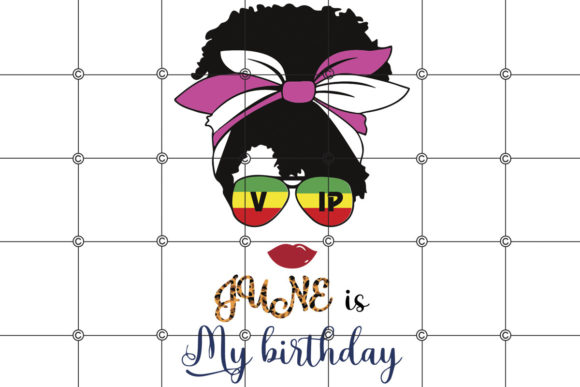
June Birthday Embroidery Review
When I first opened the June Birthday file, my immediate reaction was a mix of excitement and caution. As someone who has spent years turning digital designs into tangible, stitched products for clients, I know that a pretty preview on a screen doesn't always translate to a high-quality finished piece. This design sits in the Print Templates and Graphics category, which suggests it is versatile enough for various applications, but the devil is truly in the stitching details. Before I committed to using this for a real client project, I had to run through a mental checklist: Does this hold up under tension? Will the lettering survive a wash cycle? And most importantly, does it capture the celebratory mood of a June birthday without looking cluttered?
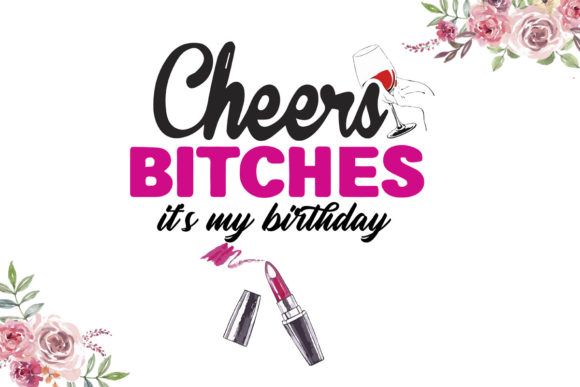
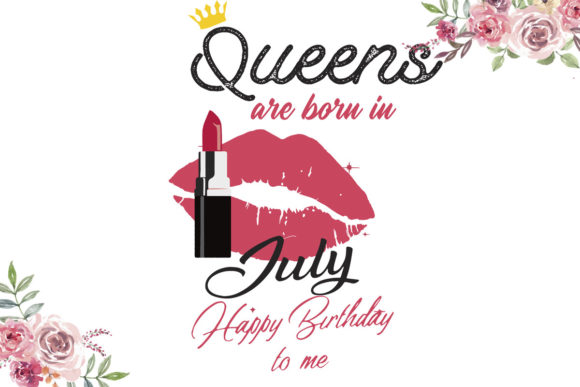
The visual personality of June Birthday feels warm and inviting. It screams "personalized gift" rather than "mass-produced merchandise." The layout seems designed to sit comfortably on chest pockets, tote bag centers, or even as a focal point on a baby onesie. In the world of embroidery, where space is often at a premium, getting the balance right between text and decorative elements is an art form. From what I can see in the digital mockups, this design aims for that sweet spot where it looks professional enough for a boutique shop but charming enough for a handmade craft fair item.
Real-World Application: The Custom Tote Bag Scenario
Let's imagine a practical scenario. You are preparing for a summer craft fair, and you want to create a line of custom embroidered tote bags specifically for people celebrating birthdays in June. You need something that pops against canvas but doesn't overwhelm the fabric. This is where June Birthday could shine. If you stitch this onto a natural canvas tote, the design acts as a perfect branding element for a small business owner selling personalized gifts.
However, when I think about the physical reality of stitching this out, I have to consider the thread colors. A vibrant June theme usually requires bright yellows, blues, or pinks. On a light background, these will look fresh and cheerful. But if you try to use this design on a dark navy tote bag, the contrast becomes critical. Without proper underlay stitches, the colors might get lost in the weave of the fabric. For a designer like me, the success of the final product depends heavily on selecting the right stabilizer and ensuring the thread density isn't too low, which would make the letters look thin and cheap.
I also picture this design on a sweatshirt. There is something cozy about a large, centered birthday graphic on a fleece pullover. But here is the catch: sweatshirts are stretchy. If the June Birthday file includes dense fill stitches without enough stability, the fabric might pucker around the edges after the first wear. That is a quick way to ruin customer trust. A puckered shirt looks amateurish, no matter how cute the design is. So, while the concept is solid, the execution requires careful hoop placement and potentially a cut-away stabilizer to keep the garment flat.
Where Caution Is Required
Not every surface is a good candidate for this design. While June Birthday works well on structured items like pillowcases or aprons, there are areas where I would advise stepping back. Small hoop sizes are a major limitation. If you attempt to stitch this on a tiny cap brim or a narrow baby bib, the intricate details might get lost or distorted. Curved surfaces like caps present another challenge; the machine needle moves up and down, but the cap curves away. If the design has sharp corners or very fine lines, they might not register clearly on the curved fabric.
Textured fabrics are another pitfall. Think of a chunky knit sweater or a rough burlap sack. The needle might struggle to penetrate deeply enough, leading to skipped stitches. Similarly, thin fabrics like silk or lightweight polyester require a lot of care. If the design has a high stitch count, it could tear the fabric or leave permanent holes. I always recommend testing on scrap material before committing to a $20 shirt or a custom gift. You don't want to discover that the design is too heavy for the fabric until after you have ruined the customer's item.
Visual Appeal and Product Value
In the competitive world of Etsy sellers and handmade shops, presentation is everything. A well-executed June Birthday embroidery project elevates the perceived value of your product. When a customer receives a pillowcase with crisp, clean stitching that matches the digital preview, they feel confident in your brand. They assume you pay attention to detail, which justifies a higher price point. Conversely, if the satin stitch is loose or the fill stitch shows gaps, the entire product feels lower quality.
This design also plays well with the concept of commercial embroidery. Imagine a small shop owner creating a collection of holiday gifts. Having a reliable embroidery file like this allows them to offer personalized options quickly. The ability to switch thread colors easily means they can cater to different preferences—perhaps a pastel palette for a spring baby shower or bold colors for a summer party. This versatility makes the design a valuable asset for any creative entrepreneur looking to expand their inventory.
However, we must address the digital aspect. Since this is sold as a digital embroidery file in formats like SVG, PNG, and DXF, you need to ensure the conversion from vector to stitch data is accurate. Sometimes, files marketed as graphics need specific settings to become true machine embroidery designs. If the June Birthday file relies solely on outlines without defined stitch paths, it won't work on an embroidery machine at all. You must verify whether this is a true stitch file or a print-and-transfer template that mimics embroidery. If it is a vinyl sticker transfer, the aesthetic will be smooth and glossy, lacking the texture of real thread. Knowing the difference is crucial for managing customer expectations.
Practical Designer Notes for Success
Before you start stitching, there are several technical steps you must take. First, test the design on scrap fabric. This simple step saves time and money by revealing issues with tension or density before you touch your final product. Second, review the stitch density. If the design is too dense, it will be stiff and uncomfortable; if it is too sparse, it will look unfinished. Third, confirm the hoop size. Make sure your machine can accommodate the dimensions of the design without cutting off important elements.
Thread color contrast is another vital factor. Always inspect small details in black and white mockups to ensure readability. Light gray thread on a white shirt might look invisible once stitched. Additionally, check whether the design works for both personal and commercial projects. Many designers overlook licensing terms, only to find out later that they cannot sell finished items made with the design. Confirm these details before listing your products on Etsy or your own website.
Finally, use proper stabilizer. The type of stabilizer you choose can make or break the project. For stretchy fabrics, a cut-away stabilizer provides the necessary support to prevent distortion. For stable fabrics like cotton, a tear-away might suffice. By paying attention to these nuances, you ensure that your handmade product stands out for its quality, not just its design.
In conclusion, June Birthday has the potential to be a standout addition to your design library. It captures a specific moment in time that resonates with many people. Whether you are creating a custom apparel line, a nursery decor set, or a unique gift for a friend, this design offers a strong foundation. Just remember that the magic lies in the execution. Take the time to test, adjust, and refine your process. When done right, the result is more than just a stitched image; it is a cherished memory captured in thread.