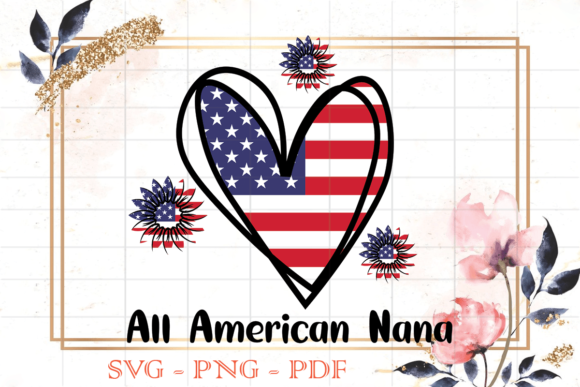
All American Nana Embroidery Review
When I sit down to evaluate a new digital asset for my studio, I am rarely looking for just another pretty picture. As a designer who has stitched thousands of hours into fabric, I am looking for viability. Does this design hold up under the tension of the hoop? Will it translate well from screen to stitch? Is it something a customer will actually wear or display, or is it just another piece of digital clutter? Today, I am putting All American Nana through that exact paces. This file falls under the category of Print Templates and Graphics, but its true value lies in how it functions as a machine embroidery design and vinyl cutting asset.
First Impressions: Mood and Visual Personality
The name All American Nana immediately sets a specific tone. It isn’t subtle, and frankly, that is its strength. In the world of handmade products, clarity wins. The design evokes a sense of nostalgia, warmth, and rugged affection. It feels like a design that belongs on a heavy cotton canvas tote bag or a soft fleece sweatshirt rather than a delicate silk scarf. The visual personality is bold and celebratory, targeting a demographic that values family heritage and classic Americana aesthetics.
From a layout perspective, the composition appears balanced for standard placement areas. Whether you are planning to center this on the chest of a t-shirt or place it prominently on the front panel of an apron, the shape suggests it can handle being the focal point without feeling cramped. For an Etsy seller or a small shop owner, this kind of clear thematic identity reduces the cognitive load for your buyer. They know exactly what they are getting: a tribute to grandmotherhood with a patriotic twist.
Real-World Application: Where This Design Shines
I recently considered using a similar concept for a custom client project involving personalized gifts for a large family reunion. That scenario highlights exactly where All American Nana would excel. Imagine preparing a batch of embroidered patches for a craft fair booth. The design’s strong lines and recognizable theme make it perfect for embroidered patch applications where visibility from a distance is key.
Let’s look at some specific use cases:
- Custom Apparel: On a unisex t-shirt or a cozy sweatshirt, this design works beautifully. The contrast between the text and any graphical elements likely pops well against neutral backgrounds like heather grey, navy, or cream.
- Tote Bag Design: A sturdy canvas tote is a staple for the modern mom or grandma. Stitching this onto a bag adds a layer of personalization that turns a generic item into a keepsake.
- Kitchen and Home Decor: Tea towels, pillow covers, and kitchen aprons are high-margin items for handmade businesses. This design fits the "country chic" or "farmhouse" aesthetic that remains popular in home decor.
- Baby Embroidery: While perhaps less common for infants, seeing this on a child’s first backpack or a nursery blanket could be a hit for grandparents looking to mark milestones.
For digital product sellers, offering this as part of a bundle increases perceived value. Buyers love collections that tell a story, and combining this with other family-themed graphics creates a cohesive brand experience for your customers.
Technical Considerations and Potential Pitfalls
No design is perfect for every situation, and honest review requires acknowledging limitations. When working with All American Nana, there are several technical factors to consider before sending it to the needle.
First, consider the stitch density. If the design includes large areas of fill stitch, ensure your stabilizer matches the fabric weight. On thin fabrics, you risk puckering; on stretchy knits, you need a reliable tear-away or cut-away to prevent distortion. Always test the design on scrap fabric first. This is non-negotiable for professional results.
Second, think about hoop size and detail. If your machine has a smaller hoop limit, check if the full width of the design fits. Furthermore, inspect the fine details. Are there tiny letters or intricate curves? If so, these might get lost in the stitching process, especially if using thick woolly nylon thread. A good rule of thumb is to view the design in black and white mockups to ensure legibility.
Another area requiring care is fabric texture. While this design looks great on smooth cottons, it may struggle on heavily textured fabrics like boucle or thick chenille, where the needle cannot penetrate consistently. Similarly, on dark fabrics, verify that your chosen thread colors provide enough contrast. If the design relies on subtle shading, it might disappear against a black background.
Vinyl vs. Thread
The product description notes that this file also serves as a cool vinyl sticker. This dual functionality is a significant advantage for crafters who own both embroidery machines and cutting plotters. However, keep in mind that vinyl application behaves differently than thread. Vinyl does not have the same give as embroidery floss, so placing it on curved surfaces like caps or sleeves requires heat pressing expertise to avoid bubbling. If you are selling finished goods, clearly label whether the item is embroidered or vinyl-decorated, as customers often have preferences regarding texture and durability.
Impact on Brand and Customer Trust
Using a well-executed design like All American Nana directly influences customer trust. When a buyer receives a handmade product, they are judging the quality of your workmanship. Clean stitches, proper alignment, and appropriate fabric choices signal professionalism. Conversely, a poorly executed design can damage your reputation, regardless of how cute the graphic is.
This design also enhances giftability. Family-oriented themes trigger emotional responses, which drives engagement on social media platforms like Instagram and Pinterest. When customers share photos of their personalized gifts, they are effectively marketing your shop. A design that resonates emotionally leads to higher conversion rates and repeat business.
Practical Designer Notes for Success
To get the most out of this digital embroidery file, follow these practical steps:
- Check Licensing: Before selling finished items or distributing the digital assets, confirm the license terms. Commercial rights vary, and assuming permission can lead to legal issues.
- Test Color Combinations: Don’t just stick to the default thread palette. Experiment with different thread colors to see what best suits your target market. Metallic threads might add a premium touch for holiday embroidery.
- Inspect Small Details: Zoom in on the vector files (SVG, EPS) to ensure no paths are broken or overlapping incorrectly. This prevents errors during digitizing or cutting.
- Match Stabilizer to Fabric: Use the correct type of stabilizer to support the fabric during stitching. This is crucial for maintaining the integrity of the embroidery project.
- Create Printable Mockups: Use the PNG files to create realistic previews for your Etsy listings. Showing the design on actual garments helps buyers visualize the final product.
In conclusion, All American Nana is a versatile and emotionally resonant addition to any crafter’s library. It bridges the gap between traditional Americana style and modern handmade trends. By paying attention to the technical details—stitch density, fabric choice, and licensing—you can turn this simple graphic into a profitable and beloved finished product. Whether you are decorating a baby item for a new grandchild or stocking your boutique with unique apparel, this design offers a solid foundation for creative expression and commercial success.