Drinking in the New Year: A Designer's Real-World Embroidery Review
As someone who has spent years stitching custom pieces for clients and running a small shop on Etsy, I have learned that the difference between a "cute" file and a professional finished product often comes down to one thing: practical application. You might see Drinking in the New Year listed under T-Shirt Designs or Graphics, but before you hit that buy button, you need to know how it translates from a digital screen to a real fabric surface. I recently put this design through its paces to see if it holds up in a busy holiday season, and here is my honest take on its potential.
The First Impression: Mood and Visual Personality
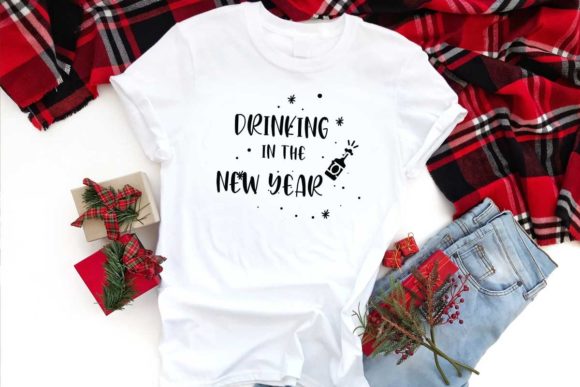
When you first open the files for Drinking in the New Year, the immediate feeling is festive yet relaxed. It captures that specific moment of celebration where the mood is high, but the vibe is casual. The layout suggests a playful energy that works exceptionally well for holiday gatherings, New Year's Eve parties, or even as a fun gift for a friend. Unlike stiff, corporate holiday designs, this one feels like it belongs in a cozy living room or a bustling craft fair booth.
The visual personality of the design relies heavily on clean lines and a clear message. It avoids over-complication, which is a smart move for embroidery. However, the success of the final piece depends entirely on how those lines are interpreted by your machine. Does the design lean into a bold graphic style, or does it rely on delicate details? In my experience, designs with strong silhouettes tend to age better on apparel, while intricate details can get lost in thick fabrics like fleece or heavy canvas. This design seems to strike a balance, making it a versatile candidate for various projects.
Real-World Application: From Digital File to Finished Product
Let me paint a picture of how I would use Drinking in the New Year in a real business scenario. Imagine preparing a batch of custom embroidered tote bags for a local boutique's holiday pop-up. These bags are made of sturdy cotton duck, a material that can be tricky with dense stitches. If I were to digitize or apply this design, I would focus on how the text interacts with the bag's texture.
The design shines when used on items that serve as conversation starters. Think about a sweatshirt embroidery project for a family reunion, or perhaps a personalized gift for a grandmother who loves hosting parties. The phrase itself invites interaction; it is something people want to wear because it reflects their spirit. For an Etsy seller, this kind of emotional connection is gold. It transforms a simple embroidery file into a branded asset that customers will share on social media.
I also envision this working beautifully on kitchen towels or aprons for a culinary-themed gift set. The idea of "drinking in the new year" pairs perfectly with a home chef setting up their station for the holidays. The versatility extends to baby embroidery projects too—a onesie with this motif could be a hilarious and memorable shower gift. The key is matching the design's scale to the product size so that it doesn't look cramped or overwhelming.
Where to Exercise Caution: Technical Limitations
While the concept is solid, every designer knows that execution is everything. There are specific scenarios where Drinking in the New Year requires careful consideration to avoid a disappointing result. One major area to watch is the hoop size. If the design contains small lettering or tight curves, attempting to stitch it in a very small hoop can lead to distortion. Always check the recommended dimensions before starting.
Fabric choice is another critical factor. Stretchy fabrics like jersey or thin materials like silk require extra stabilization. Without a proper stabilizer, the tension of the satin stitch or fill stitch can cause the fabric to pucker, ruining the crispness of the text. Similarly, dark fabrics demand a thread color contrast that pops. If the original file is designed for light backgrounds, you may need to adjust your thread colors or add a backing layer to ensure visibility.
Curved surfaces like caps present a unique challenge. While many machines handle curved embroidery well, complex layouts can suffer from alignment issues on the front panel of a hat. If you plan to sell embroidered patches using this design, remember that the edges need to be defined enough to withstand cutting and finishing. Dense stitch areas can sometimes trap lint or create a stiff feel, which might not be ideal for items that need to drape softly, like a pillow cover or a lightweight t-shirt.
Technical Notes for the Savvy Designer
Before you commit to a full production run, there are several practical steps you must take. First, test the design on scrap fabric that matches your final material. This allows you to gauge the stitch density and see how the threads interact with the weave. Check the thread colors against your intended background; what looks good on a monitor might disappear on navy blue fabric.
If you are using a digital embroidery file, inspect the small details closely. Sometimes, tiny elements in a vector format like SVG or DXF can become illegible when converted to machine code. Use black and white mockups to verify readability without the distraction of color. Also, confirm whether the design works for both personal and commercial projects. Licensing terms vary, and selling finished items requires a clear understanding of your rights.
Elevating Your Brand with Thoughtful Design Choices
In the world of handmade products and small shop merchandise, consistency is key. Using a design like Drinking in the New Year effectively can boost customer trust and enhance your brand's professionalism. When a client receives a garment where the stitching is even, the colors are vibrant, and the placement is precise, they perceive higher value. They are more likely to leave a positive review and return for future purchases.
This design is particularly valuable for holiday embroidery campaigns. It taps into a seasonal emotion that drives sales during December. Whether you are creating printable mockups for your online store or showcasing finished products at a craft fair, the right imagery makes all the difference. It signals that you understand the customer's desire for something special and unique.
However, do not rely solely on the file's appearance. The quality of your finished product is a reflection of your craftsmanship. Ensure you are using the correct stabilizer for the weight of your fabric and that your machine is calibrated correctly. A great design cannot fix poor technique, but excellent technique can elevate a good design into a masterpiece.
Final Thoughts on Versatility and Value
Drinking in the New Year offers a compelling option for designers looking to expand their holiday collection. Its adaptable nature allows it to fit into various categories, from custom apparel to decorative home goods. By paying attention to fabric texture, thread choices, and technical constraints, you can turn this digital asset into a tangible, high-quality item that delights your customers.
Remember to always verify the file formats provided—PNG, SVG, EPS, DXF, and PDF each serve different purposes depending on your workflow. If you are using a cutting machine for vinyl applications, ensure the layers are separated correctly. For machine embroidery, double-check the stitch types, such as satin stitch for outlines or fill stitch for solid areas, to achieve the best finish.
Ultimately, the goal is to create something that resonates. When you approach embroidery projects with a mindset focused on the end user, the results speak for themselves. This design has the potential to be a standout piece in your portfolio, provided you treat it with the care and expertise it deserves. Happy stitching, and here is to a successful new year of creativity!