Hello Fall: A Designer's Take on a Seasonal Embroidery Gem
As someone who has spent years stitching through countless digital files for everything from boutique apparel to personalized baby gifts, I approach every new download with a mix of excitement and skepticism. Today, I am putting the Hello Fall design under the microscope. This isn't just about how pretty it looks on a screen; it is about how it translates to real-world embroidery projects, client expectations, and the durability of a finished product.
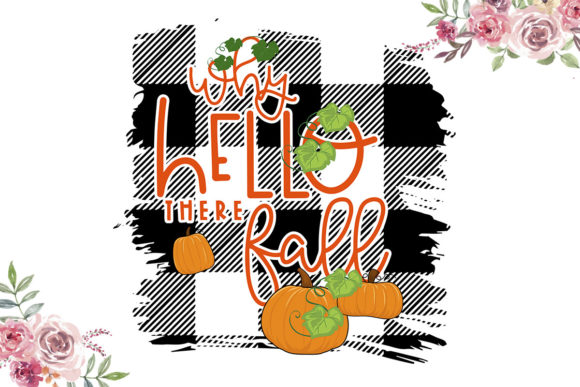
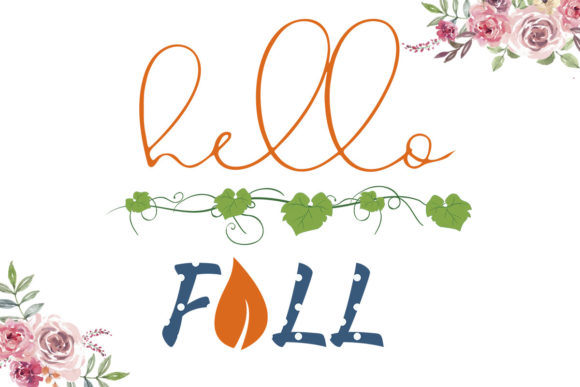
The moment you open the file, Hello Fall sets a specific mood. It feels cozy, inviting, and perfectly timed for the crisp air of autumn. The typography suggests a casual elegance that fits seamlessly into the current trend of rustic-chic home decor and artisanal fashion. Unlike some designs that scream for attention, this one whispers warmth, making it an ideal candidate for personalized gifts, nursery accents, or subtle branding on small business merchandise.
Bringing Hello Fall to Life in Real Projects
Imagine you are prepping for a local craft fair or fulfilling a rush order for a custom tote bag. You pull up Hello Fall to add to your collection of embroidery files. My first instinct was to visualize this on a heavy cotton canvas tote. The layout works beautifully there, offering enough negative space around the text to prevent the fabric from bunching while still delivering a strong visual statement.
I also considered its potential on a sweatshirt. For sweatshirt embroidery, the design needs to balance well with the thicker fabric texture. Because Hello Fall appears to rely on clean lines rather than overwhelming density, it should stitch clearly even on fleece or french terry. However, the success here depends heavily on your choice of thread colors. A warm mustard or burnt orange thread against a navy background would elevate the seasonal theme significantly.
For those selling on Etsy or running a handmade shop, this design is versatile enough to serve as a tote bag design, a patch for denim jackets, or a decorative element on a kitchen towel. The simplicity allows it to be a focal point without dominating the garment. When a customer receives a hoodie or pillowcase with Hello Fall stitched on it, they see a cohesive aesthetic that suggests thoughtfulness and care—key factors in building trust and repeat business.
Where to Exercise Caution
While Hello Fall is promising, a professional designer knows that not every design fits every surface. There are specific scenarios where this file might require extra attention or might simply be the wrong tool for the job.
- Small Hoop Sizes: If you are working with very small hoops, such as those used for hats or baby bonnets, check the dimensions carefully. Tight corners or intricate curves in the lettering can get lost if the hoop size is too restrictive.
- Stretchy Fabrics: On highly stretchy materials like jersey knit, dense areas can cause puckering. If the design includes significant fill stitch sections, ensure you use a high-quality cutaway stabilizer to maintain the shape.
- Detailed Corners: If the design features tiny serifs or delicate details, test them on scrap fabric first. On textured fabrics like wool or boucle, these fine points may not register clearly, leading to a muddy finish.
- Dense Stitch Areas: Always review the stitch density before starting a large run. Overly dense areas can make the fabric stiff and uncomfortable, especially on items meant for daily wear like aprons or children's clothing.
Technical Considerations for the Embroidery Designer
Before you hit "start" on your machine, there are practical steps every maker should take to ensure the finished product meets professional standards. Since the product listing mentions various formats like PNG, SVG, EPS, DXF, and PDF, it is crucial to verify which format corresponds to your specific machine embroidery design software.
If you are using this as a digital embroidery file for stitching, confirm that the vector paths translate correctly into stitches. Sometimes, converting a graphic intended for vinyl cutting (as hinted at in the description) directly to embroidery can result in unexpected gaps or overlapping threads. I recommend opening the file in your digitizing software to inspect the running stitch and satin stitch placements.
Testing on scrap fabric is non-negotiable. Use a piece of the same material you intend to sell or gift. Check the thread color contrast; what looks vibrant on a monitor can appear dull on matte cotton. Also, consider the lighting conditions where the item will be displayed. A design that shines under studio lights might look flat in natural sunlight.
Don't forget the stabilizer. Whether you are creating an embroidered patch or decorating a pillow cover, the right backing prevents distortion. For commercial embroidery projects where speed and consistency matter, calibrate your tension settings specifically for this design's density.
From Digital Asset to Handmade Product
When viewed through the lens of a creative entrepreneur, Hello Fall represents more than just pixels; it is a potential revenue stream. For an Etsy seller, having a reliable, high-quality design like this can streamline your workflow. Instead of spending hours digitizing from scratch, you can focus on marketing and customer service.
This design fits naturally into the Print Templates and Graphics categories, but its true value lies in its application. It bridges the gap between a simple printable mockup and a tangible handmade product. Imagine a set of matching kitchen towels and a tea cozy, all featuring Hello Fall. That level of coordination boosts the perceived value of the entire collection.
However, always remember to check the licensing terms. Just because you have the digital file does not automatically grant you the right to sell unlimited quantities of finished goods. Confirm whether the license covers commercial use and small shop products before listing your items.
Final Thoughts on Seasonal Design
In the world of craft business, timing is everything. Hello Fall arrives just when customers are looking to refresh their wardrobes and homes. Its clean aesthetic avoids the clutter often found in holiday-themed designs, making it suitable for early autumn through late November.
Whether you are a hobbyist looking to create a unique gift for a friend or a seasoned decorator expanding your inventory, this design offers a solid foundation. It respects the limits of the medium while maximizing the charm of the season. By paying attention to fabric selection, stabilizer usage, and stitch quality, you can transform this digital asset into a cherished personalized gift or a best-selling custom apparel item.
Take the time to experiment. Try it on a cap, a baby onesie, or a denim jacket. See how the light hits the threads and how the texture interacts with the design. With a little preparation, Hello Fall could easily become a staple in your repertoire of design assets.