Mama s Little Pumpkin Blue Polka Dot
When you first open a new digital embroidery file, there is an immediate sense of potential. You are looking for more than just a shape; you want to know if it will hold up under the needle, how it will translate from a screen to fabric, and whether it will resonate with the customers who will eventually wear or use the finished product. I recently put Mama s Little Pumpkin Blue Polka Dot through its paces to see if it belongs in my commercial workflow. As someone who reviews design assets for real-world application, my goal is to provide practical insight rather than marketing fluff.
The First Impression: Mood and Visual Personality
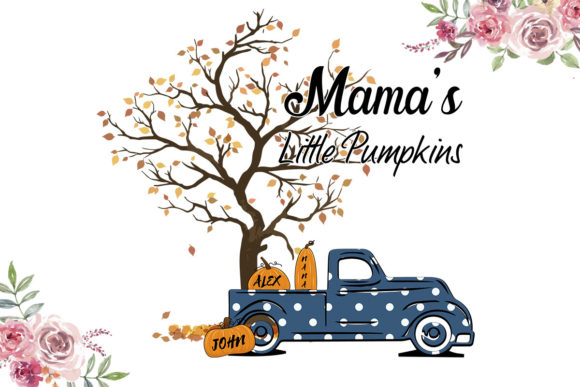
The name alone sets a specific tone. Mama s Little Pumpkin Blue Polka Dot immediately evokes autumn warmth mixed with a playful, modern twist. The standard pumpkin motif is ubiquitous in the fall season, but the addition of blue polka dots shifts the aesthetic away from traditional orange and brown. It feels fresh, slightly whimsical, and distinctively contemporary. For an embroidery designer, this is crucial because standing out in a sea of generic holiday designs is often the difference between a best-seller on Etsy and an item that gathers dust.
Visually, the layout appears balanced. The polka dot pattern suggests a high level of detail without being overwhelming. In machine embroidery, detail is a double-edged sword; too much complexity can lead to thread breaks or loss of definition in small hoop sizes. However, this design seems to strike a chord where the dots add texture and interest while maintaining the clear silhouette of the pumpkin itself. It creates a mood that is both cozy and stylish, perfect for a boutique nursery or a trendy fall collection.
Real-World Application: From Screen to Stitch
To truly understand the value of Mama s Little Pumpkin Blue Polka Dot, I imagine it applied to various scenarios. Let's say I am preparing a custom embroidered tote bag for a local craft fair. The blue polka dots would pop beautifully against a natural canvas background, creating a handmade product that feels curated and thoughtful. The contrast between the cool blue and the warm pumpkin shape offers a visual rhythm that keeps the eye engaged.
Now, consider a sweatshirt embroidery project for a baby shower gift. This design fits perfectly into the personalized gift category. The softness implied by the "mama" theme combined with the playful dots makes it ideal for baby clothes. When stitched onto a soft fleece or cotton blend, the satin stitch areas would likely provide a smooth, premium finish, while the fill stitch sections could create a nice tactile depth. Customers buying these items are often looking for uniqueness, and this specific design avoids the cliché of standard jack-o'-lanterns.
I also envision this working well as an embroidered patch for denim jackets or aprons. The graphic nature of the polka dots allows it to function effectively as a standalone logo or accent. If you are an Etsy seller or a small shop owner, having a versatile asset like this means you can market it across multiple categories: tote bag design, sweatshirt embroidery, baby embroidery, and even kitchen towel projects. The adaptability of the file increases its utility significantly.
Where Caution is Required: Technical Limitations
While the design has strong appeal, every machine embroidery design has limitations based on its geometry and intended use. I must advise caution when considering this file for very small hoop sizes. If the polka dots are rendered at a microscopic scale, they may merge together during stitching, losing their definition and turning into a solid blob of color. Always check the minimum dimensions provided in the file specifications before committing to a keychain or a tiny hat brim.
Fabric choice is another critical factor. Stitch density plays a massive role here. If you attempt to stitch this on thin, stretchy fabric without adequate support, the tension might cause puckering, ruining the crisp look of the polka dots. Textured fabrics, such as heavy waffle knits or bouclé, can also be problematic. The needle may struggle to penetrate consistently, leading to uneven coverage. Similarly, dark fabrics require careful consideration of thread colors. If the base fabric is black or navy, the blue dots might get lost unless a contrasting thread or a light-colored underlay is used.
Curved surfaces like caps present a challenge for any design with straight lines or precise geometric patterns. While the pumpkin shape is organic, the polka dots need to follow the curvature of the cap correctly. If the digitization does not account for the 3D surface of a hat, the dots might appear distorted or stretched. Additionally, products that undergo frequent washing, such as daily-use aprons or children's clothing, benefit from lower density designs to prevent stiffness. If this design is overly dense, it could become uncomfortable against the skin after repeated laundering.
Impact on Product Value and Brand Perception
In the world of commercial embroidery, the quality of the design directly influences customer trust. A clean, well-executed embroidery project signals professionalism. Mama s Little Pumpkin Blue Polka Dot, if executed correctly, elevates the perceived value of the finished item. It moves the product from a generic mass-produced good to a thoughtful, handcrafted piece. This distinction is vital for creative entrepreneurs building a brand identity.
The design also enhances giftability. The combination of the seasonal theme and the unique color palette makes it a safe yet special choice for holiday gifts. It appeals to buyers who want something festive but not overly traditional. Furthermore, for those selling digital embroidery files or print templates, the versatility of this asset allows for diverse marketing strategies. You can create mockups showing the design on pillows, bags, and apparel, demonstrating its range to potential buyers.
Practical Designer Notes for Implementation
Before integrating Mama s Little Pumpkin Blue Polka Dot into your production line, there are essential steps to ensure success. First, always test the design on scrap fabric that matches your final material. This allows you to observe how the thread colors interact with the fabric texture and to check for any unwanted puckering. Review the stitch density carefully; if the design looks too crowded in the software, it will likely perform poorly on the machine.
Confirming the correct hoop size is non-negotiable. Ensure your machine can accommodate the full design area without needing to split the file unnecessarily. Inspect the small details, particularly the individual dots, to ensure they are large enough to stitch cleanly. It is also wise to test the design in black and white mockups to verify that the shapes remain distinct without relying solely on color contrast.
If you plan to use this for custom apparel or sell finished goods, pay close attention to the licensing terms. The product description mentions digital files including PNG, SVG, EPS, DXF, and PDF, which suggests a versatile package suitable for cutting machines and embroidery software alike. However, you must verify if the license permits commercial use for the final physical products. Using proper stabilizer is also key; for a design with potentially high density, a cut-away stabilizer might be necessary to maintain structure over time.
Finally, compare how the design performs on both light and dark backgrounds. Sometimes a design that looks vibrant on a white screen loses its impact on a colored fabric. By taking these precautions, you ensure that Mama s Little Pumpkin Blue Polka Dot delivers the high-quality result your clients expect. Whether you are a hobbyist making a personal gift or a professional apparel decorator scaling your business, this design offers a charming and practical option for your next creative endeavor.