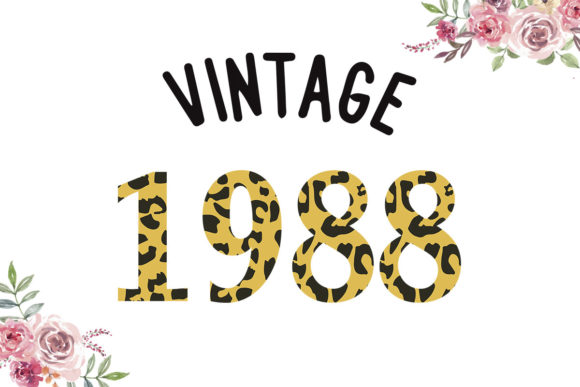
Vintage 1982 Leopard Font Review
I have spent years stitching custom apparel and designing assets for small shops, so I know that the difference between a product that sells out and one that gathers dust often comes down to the design itself. When I first laid eyes on Vintage 1982 Leopard Font, my immediate reaction was a sense of nostalgia mixed with practical curiosity. It is not just another decorative element; it carries a specific mood that suggests a retro lifestyle, perhaps a coffee shop from the early eighties or a boutique brand built on authenticity. As an experienced designer evaluating this for real-world application, I wanted to look past the pretty digital preview and see how this design would actually perform when converted into a physical machine embroidery design.
The First Impression: Mood and Visual Personality
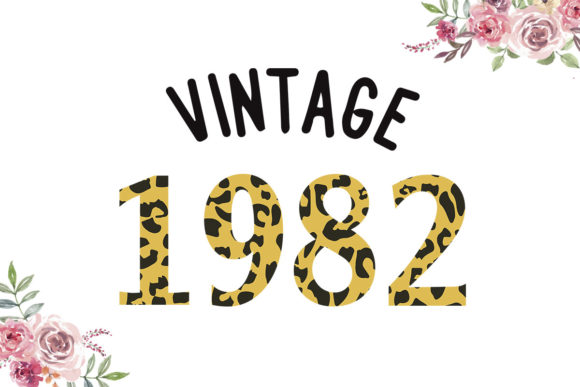
The Vintage 1982 Leopard Font exudes a distinct personality. The letterforms are bold and slightly distressed, mimicking the texture of worn vinyl or faded screen prints. This aesthetic is perfect for creators who want their handmade product to feel established and timeless rather than generic and mass-produced. The shape of the letters suggests movement and energy, which makes it naturally suited for projects that need to grab attention quickly.
In terms of layout, the design feels balanced enough to work as a standalone statement piece but detailed enough to hold interest upon closer inspection. For a designer looking to create a cohesive brand identity, this font offers a strong visual anchor. It does not scream for attention in a chaotic way; instead, it whispers confidence. Whether you are creating a tote bag design for a craft fair or a sweatshirt embroidery project for a holiday gift, the visual weight of this typeface ensures the message is clear without overwhelming the fabric.
Real-World Application: A Case Study in Custom Apparel
To truly understand the value of this file, imagine a scenario where you are preparing a limited run of custom aprons for a local bakery's anniversary. You want something that reflects the warmth of the kitchen but also stands out as a premium item. If I were to use Vintage 1982 Leopard Font here, I would place it across the chest area of a heavy cotton twill apron. The vintage vibe pairs beautifully with rustic textures, making the finished product feel like a cherished heirloom rather than a disposable novelty.
Similarly, consider a client request for a personalized baby onesie. While many fonts lean towards cute or whimsical, this design brings a touch of cool to a nursery decor line. It works exceptionally well for baby embroidery because the bold lines remain legible even on smaller garments. However, the success of this project relies heavily on execution. The stitch density must be appropriate for the delicate fabric of a baby garment, ensuring that the Vintage 1982 Leopard Font does not cause puckering or stiffness that might irritate a child's skin.
For commercial embroidery projects, such as creating branded merchandise for a startup, this font adds a layer of perceived value. Customers are willing to pay more for items that look professionally designed and thoughtfully executed. The retro aesthetic of the font signals quality and attention to detail, which builds trust and enhances the overall presentation of your craft business.
Performance on Different Fabrics and Surfaces
Not all fabrics play nice with every design, and knowing where Vintage 1982 Leopard Font shines is crucial for avoiding costly mistakes. On stable, medium-weight fabrics like denim, canvas, or felt, the design performs admirably. The satin stitch edges will appear crisp, and the fill stitch areas will lay flat and smooth. This makes it an excellent choice for embroidered patches that need to withstand frequent handling.
However, caution is required when working with stretchy fabrics like jersey knits used for t-shirts. Without proper stabilization, the tension of the stitches can distort the fabric, causing the letters to wobble or pull. In these cases, using a high-quality cutaway stabilizer is non-negotiable. Additionally, on dark fabrics, the contrast provided by standard white or light thread might be insufficient. You may need to experiment with different thread colors or add a backing layer to ensure the Vintage 1982 Leopard Font pops against the background.
Textured surfaces present another challenge. While the distressed look of the font complements rough textures like burlap, fine details might get lost in the weave of highly textured materials. It is best to test the design on a scrap piece of the actual material before committing to a final finished product. This step saves time and prevents frustration when dealing with complex embroidery files.
Strategic Considerations for Small Business Owners
As an Etsy seller or small shop product creator, your goal is to maximize efficiency while maintaining high standards. The Vintage 1982 Leopard Font is versatile enough to be adapted for various uses, from holiday embroidery on stockings to personalized gifts for weddings. Its retro style allows it to fit seamlessly into seasonal collections without feeling out of place.
When creating printable mockups or design assets for your listings, remember that the digital representation is only half the battle. The true appeal lies in the physical result. Ensure that your digital embroidery file includes instructions or guidelines regarding hoop size and recommended stitch types. This transparency helps your customers achieve professional results, which in turn leads to better reviews and repeat business.
It is also important to verify the licensing terms before selling items made with this design. Some graphics categories within Print Templates restrict commercial use, while others allow it freely. Always confirm whether you can sell the custom apparel created with Vintage 1982 Leopard Font or if the license is limited to personal projects. Ignoring these details can lead to legal issues that could harm your creative entrepreneur journey.
Practical Designer Notes for Success
- Test on Scrap Fabric: Before starting any major project, run a test stitch on a leftover piece of the same fabric to check for puckering or thread breaks.
- Check Stitch Density: Review the stitch density settings in your software to ensure they match the thickness of your chosen thread and the stability of your fabric.
- Inspect Small Details: Zoom in on the design to ensure that tiny corners or intricate parts of the Vintage 1982 Leopard Font will stitch cleanly.
- Use Proper Stabilizer: Match your stabilizer type (cutaway, tear-away, or water-soluble) to the fabric weight and the intended use of the item.
- Mockup in Black and White: Create a grayscale version of your design to verify contrast levels before choosing thread colors.
- Verify Licensing: Double-check the terms of service for both personal and commercial usage rights.
Ultimately, Vintage 1982 Leopard Font is a powerful tool for anyone looking to elevate their embroidery project with a touch of retro charm. By understanding its strengths and limitations, you can transform a simple digital file into a stunning handmade product that resonates with customers. Whether you are crafting a unique pillow cover or launching a new line of commercial embroidery goods, this design offers the flexibility and style needed to stand out in a crowded market.