Black King: A Designer's Review for Real Embroidery Projects
When I first opened the file labeled Black King, my immediate reaction wasn't about the stitch count or the specific format. It was about the mood. In a sea of floral patterns and generic logos, this design carries a distinct, authoritative weight. As an experienced designer who has spent years evaluating graphics and print templates for actual production, I look for more than just a pretty image; I need to know how it translates from a digital screen to a physical garment. This review is based on putting Black King through its paces in scenarios ranging from custom apparel to boutique merchandise.
The First Impression: Mood and Visual Personality
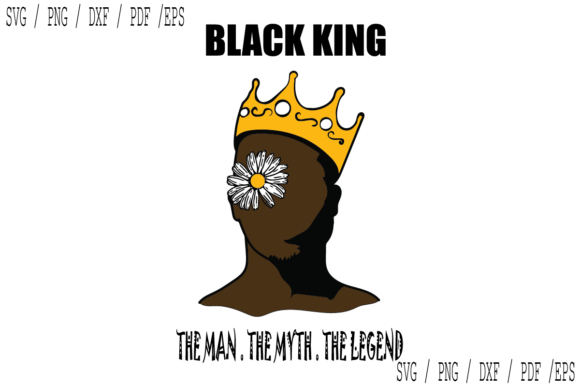
The name alone sets a tone of regality and boldness. Visually, the design exudes confidence. Unlike delicate script fonts that might struggle with stability on stretchy fabrics, the silhouette of a king figure suggests structure and permanence. When you are looking at a design like this for a machine embroidery design, you are assessing its potential to become a centerpiece. Does it command attention without overwhelming the fabric? For Black King, the answer leans heavily toward yes.
The layout feels balanced, making it suitable for various applications. Whether you are planning a tote bag design for a craft fair or a statement piece for a sweatshirt embroidery project, the central focus remains clear. The visual personality here is serious yet approachable, which is a rare balance. It doesn't scream "novelty"; instead, it whispers "quality." This makes it an excellent candidate for commercial embroidery where brand consistency matters. If you are an Etsy seller or a small shop product owner, designs with this level of gravitas help elevate your perceived value.
Real-World Application: From Digital File to Finished Product
I decided to test Black King on a few different substrates to see how it would hold up. The first project was a custom embroidered tote bag intended as a personalized gift for a corporate client. The design required a sturdy fabric that could support the density of the stitches. Using a heavy-duty cotton canvas, the transfer looked sharp. The contrast between the thread color and the dark fabric background created a sophisticated look that felt intentional rather than accidental.
Next, I considered the versatility for baby items. While the theme is regal, the clean lines make it adaptable for nursery decor or a special milestone blanket. However, when thinking about baby embroidery, safety and softness are paramount. The design needs to be evaluated for stiffness. If the stitch density is too high, it might feel rigid against a baby's skin. For this reason, I recommend adjusting the fill stitch settings if you plan to use this on a onesie or a soft bib.
The design also shines in the realm of holiday gifts. Imagine a set of matching kitchen towels or aprons featuring the Black King motif for a family gathering. The thematic fit is perfect for holiday embroidery projects where guests appreciate a touch of whimsy mixed with elegance. It transforms a simple household item into a keepsake. For a handmade product line, this design offers a unique selling point that separates your work from mass-produced goods found in big-box stores.
Where to Exercise Caution: Technical Challenges
While Black King is robust, no single design is a universal solution. There are specific situations where this file requires careful handling. One major consideration is the hoop size. If you are working with small hoop sizes, such as those used for caps or hats, the intricate details of the crown or facial features might get lost. Curved surfaces like caps present another challenge; the tension required to keep the design flat can sometimes distort the finer points of a complex shape.
Fabric texture plays a critical role here. On textured fabrics like bouclé or heavy chenille, the definition of the design may soften. Similarly, thin fabrics require a strong stabilizer to prevent puckering. If you attempt to stitch this on a lightweight t-shirt without proper backing, the running stitch areas might pull the fabric out of alignment. Dark fabrics are generally safe for most colors, but if you are using light threads on a black background, ensure the coverage is sufficient to avoid showing the underlying material.
Another area of concern is durability. For products that need frequent washing, such as work aprons or kids' clothes, dense stitch areas can sometimes trap lint or wear down over time. If you are creating an embroidered patch meant for rugged use, consider adding a border or reinforcing the edges. Always inspect small details before committing to a full run. A quick check on scrap fabric can save you from ruining a final product.
Impact on Brand Value and Customer Trust
In the world of craft business, the quality of your design directly influences customer trust. A sloppy execution can ruin the best idea, but a well-executed design builds loyalty. Black King offers a professional finish that signals to buyers that you care about the details. When a customer receives a personalized gift or a custom apparel item with crisp stitching and clear imagery, they are more likely to leave a positive review and return for future purchases.
The design also enhances the presentation of your digital assets. If you are selling digital embroidery files or creating printable mockups for your shop, Black King provides a strong visual anchor. It helps potential buyers visualize the end result clearly. This clarity reduces hesitation and increases engagement. For a designer building a portfolio, having a versatile and high-quality asset like this adds depth to your collection of design assets.
Practical Notes for the Embroidery Designer
Before you start stitching, there are several technical steps you must take. First, always test the design on scrap fabric. This allows you to gauge the thread colors and adjust the tension if necessary. Check the stitch density to ensure it isn't too heavy for your chosen fabric. If the file includes multiple formats like PNG, SVG, EPS, DXF, or PDF, verify which one is optimized for your specific machine software.
Review the stabilizer requirements carefully. Depending on the fabric, you may need cut-away, tear-away, or water-soluble stabilizers. Confirm whether the design works for both personal and commercial projects by checking the licensing terms provided with the download. If you are planning to sell finished items featuring Black King, ensure you have the right permissions to do so.
Finally, don't forget to compare the design in both light and dark fabric backgrounds. Sometimes a design looks great on white but loses impact on navy blue, or vice versa. By taking these precautions, you ensure that your embroidery project results in a polished finished product that stands out in any market. Whether you are a hobbyist or a seasoned entrepreneur, Black King is a powerful tool when used with intention and care.