Blessed Mimi: A Designer's Review for Real Embroidery Projects
As someone who has spent years stitching custom pieces for clients and running a small handmade shop, I know that the difference between a good design and a great one often comes down to how it translates from a screen to fabric. Today, I am looking at Blessed Mimi, a digital asset found in the Print Templates and Graphics category. Before you download this file to start your next batch of tote bags or holiday gifts, let me share my honest perspective on how this design behaves in a real-world embroidery environment.
The First Impression: Mood and Visual Personality
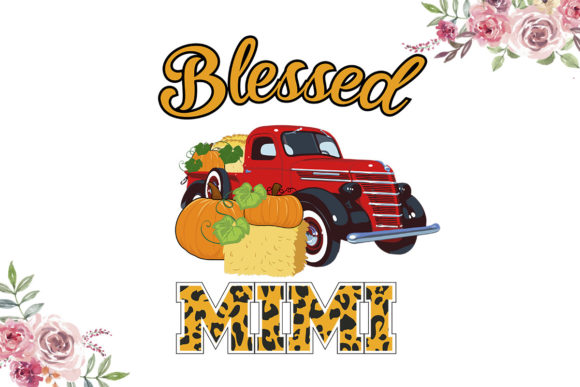
When I first opened the preview files for Blessed Mimi, the immediate feeling was one of warmth and approachability. The typography feels soft yet confident, suggesting a design that is perfect for personalization rather than aggressive branding. In the world of machine embroidery design, mood is everything; a design must speak to the wearer before they even touch the fabric. This piece carries a gentle, welcoming energy that fits perfectly into nursery decor, baby clothing, or sentimental gifts like aprons and kitchen towels.
The layout appears balanced, avoiding the clutter that often plagues digital graphics converted for stitching. It suggests a clean finish where the text stands out without competing with surrounding elements. For an Etsy seller or craft business owner, this kind of visual clarity is crucial because it allows the product to look professional right out of the hoop. It feels less like a generic clip-art and more like a curated design asset ready to elevate a boutique product line.
Real-World Application: From Screen to Stitch
Let me walk you through a scenario where I would actually use Blessed Mimi. Imagine I am preparing a custom embroidered tote bag for a local craft fair. The goal is to create a gift that feels special but remains durable enough for daily use. I would select a sturdy canvas tote and position the design centrally. Because Blessed Mimi likely utilizes a mix of satin stitch for outlines and fill stitch for body text, it should hold up well against the friction of carrying groceries or books.
I also see this design thriving on sweatshirt embroidery. The slightly larger scale of a hoodie chest area provides the perfect canvas for the lettering to breathe. When customers receive a personalized gift like a "Blessed Mimi" sweatshirt, the emotional connection is immediate. The design works beautifully as a finished product for baby items, such as a onesie or a blanket border, where the sentiment matters more than complex imagery.
Furthermore, if you are a commercial embroidery service provider, this design could serve as a staple for holiday embroidery projects. During the festive season, buyers often look for specific phrases that convey gratitude or love. Blessed Mimi fits that niche perfectly. It can be adapted for pillow covers, adding a cozy touch to home decor, or even applied to embroidered patches for jackets. The versatility here is high, provided the file structure supports the intended stitch types.
Where Caution is Key: Limitations and Challenges
However, not every design works everywhere, and as an experienced reviewer, I need to point out where Blessed Mimi might face challenges. If you plan to use this on a small hoop size, such as a 4x4 inch frame, you must check the dimensions carefully. Tight spaces can cause thread breaks or make the text illegible, especially if the original graphic contains fine details.
Fabric texture plays a massive role in the final look. On thin fabrics like lightweight cotton or silk, the density required for a clear image might cause puckering. Similarly, stretchy fabrics like jersey require a stabilizer that matches the garment's elasticity; otherwise, the design will warp after washing. Dark fabrics present another hurdle. Unless the file includes a contrasting underlay or you are using a high-density fill stitch, the background color might show through, diminishing the visual appeal.
Curved surfaces, such as caps or hats, demand careful digitizing. If the design is not properly curved or adjusted for the hat's shape, the text will look distorted. Additionally, if the design relies on tiny lettering, it may get lost in the fabric weave. Always inspect small details before committing to a full production run. For products that need frequent washing, like aprons or kids' clothes, ensure the stitch density is robust enough to withstand the agitation of the machine without fraying.
Practical Designer Notes for Success
To get the most out of this embroidery file, I recommend a few practical steps before you hit the start button on your machine. First, always test the design on scrap fabric that mimics your final project material. This simple step reveals issues with thread tension, stabilizer choice, or stitch density that you might miss on a computer screen.
Review the thread colors closely. The contrast between the thread and the fabric is what makes the design pop. If you are working with dark backgrounds, consider using a light underlay or a different thread weight to ensure the text is legible. Check whether the design works for both personal and commercial projects by reviewing the licensing terms included with the download. Many sellers assume a license covers all uses, but some restrict resale of the finished item.
Use proper stabilizer. For woven fabrics, a cut-away stabilizer often provides the best long-term stability, while tear-away might suffice for temporary projects. Inspect the small details in your digitizing software to ensure no corners are too sharp or lines too thin. Finally, test the design in black and white mockups to verify the balance of the composition before spending time on actual embroidery.
Impact on Product Value and Brand Trust
In the competitive world of handmade products and small shop merchandise, the quality of your embroidery directly impacts customer trust. A design like Blessed Mimi, when executed correctly, signals professionalism. It tells the buyer that you care about the details and have put thought into the presentation. Poorly stitched designs can undermine the value of even the most beautiful garment, leading to returns and negative reviews.
By choosing a design with strong visual personality and clear stitching paths, you enhance the perceived value of your finished product. Customers are willing to pay a premium for items that look polished and feel substantial. Whether you are creating a personalized gift for a family member or a boutique product for an online store, the clarity of the embroidery makes a difference. It turns a simple piece of fabric into a keepsake.
For digital product sellers, offering high-quality design assets like this helps build a reputation for reliability. Buyers want to know that the file they purchase will work seamlessly with their equipment. By understanding the strengths and limitations of Blessed Mimi, you can manage expectations and deliver results that exceed them.
Final Thoughts on Design Assets
Blessed Mimi represents a thoughtful addition to any collection of graphics and print templates. It offers a blend of sentiment and style that resonates with modern audiences seeking meaningful, handmade items. However, success lies in the execution. Take the time to understand the technical requirements, test your materials, and respect the nuances of the fabric.
Whether you are a hobbyist making a birthday gift or an entrepreneur scaling your craft business, treating each embroidery project with care ensures that your work stands out. Use this design as a foundation for creativity, adapting it to fit your unique brand voice while maintaining the highest standards of craftsmanship. With the right preparation, Blessed Mimi can become a signature element in your portfolio of custom apparel and personalized gifts.