Eagle America Flag Day: A Designer's Real-World Review
When I first opened the Eagle America Flag Day design file, my immediate reaction was one of patriotic pride mixed with a designer's critical eye. As someone who has spent years reviewing embroidery assets for everything from boutique clothing lines to handmade gifts, I know that a pretty image on a screen doesn't always translate to a high-quality stitched product. This design falls under the category of Illustrations and Graphics, but in the world of machine embroidery, it needs to prove its worth through thread density, stitch clarity, and overall visual impact.
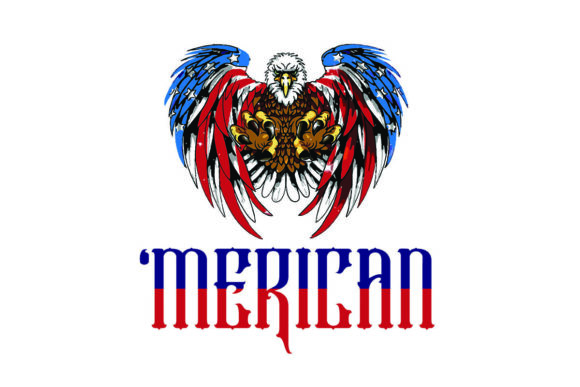
The mood this design creates is bold, classic, and unmistakably American. The silhouette of the eagle combined with the flag elements suggests a strong sense of heritage and celebration. It feels like the kind of piece you would see at a Fourth of July parade or hanging in a local community center. However, before I commit this to a client's custom apparel or a batch of tote bags for an upcoming craft fair, I had to think about how those digital lines would behave under the needle.
From Screen to Stitch: The First Impression
The layout of Eagle America Flag Day strikes a balance between detailed artistry and embroidery practicality. In many digital files, intricate details get lost when converted to thread, resulting in a muddy mess. Here, the core shapes appear distinct enough to hold their form even in smaller sizes. The visual personality is confident; it doesn't try to be too subtle. It commands attention, which is exactly what you want for a statement piece on a sweatshirt or a prominent logo on a hat.
For a creative entrepreneur looking to expand their product line, this design offers a versatile starting point. It naturally belongs in projects that celebrate national holidays, support veteran causes, or simply showcase a love for country. Whether you are making a personalized gift for a grandfather or creating merchandise for a small shop, the theme resonates immediately with the target audience. The graphic quality suggests it will look sharp as a vinyl sticker transfer as well, offering flexibility for those who mix techniques in their embroidery project.
Real-Life Scenarios: Where This Design Shines
To truly understand the value of this asset, imagine a scenario where you are preparing for a busy holiday season. You have orders coming in for custom embroidered tote bags for a local charity event. You pull up Eagle America Flag Day to decorate the front panel. Because the design features strong outlines and clear sections, it translates beautifully onto canvas or cotton twill. The contrast between the fill stitches and the satin edges would create a tactile, premium feel that customers appreciate.
I also see this design excelling on baby clothes. There is something timeless about a simple eagle motif on a onesie or a bib. The Embroidery File works well here because the scale can be adjusted without losing the essence of the image. For a handmade product seller, this adds a layer of professionalism that elevates the perceived value of the item. It isn't just a generic clip-art; it looks like a curated design choice.
Beyond apparel, consider the potential for home decor. Imagine stitching this onto a pillowcase or a kitchen towel for a holiday gift. The sturdy nature of the design holds up well on thicker fabrics like linen or denim. It fits perfectly into the narrative of holiday embroidery, serving as a centerpiece for seasonal collections. For an Etsy seller, having a design that works across multiple categories—apparel, accessories, and home goods—maximizes your return on investment and keeps your inventory fresh.
Navigating the Challenges: Where to Be Cautious
However, no design is perfect for every situation. While Eagle America Flag Day is robust, there are specific contexts where caution is required. If you are working with a very small hoop size, such as on a cap or a narrow sleeve cuff, the fine details might become crowded. Tiny lettering or delicate feather textures could blur together if the stitch density is too high for the fabric grain.
Textured fabrics present another hurdle. On a heavily textured wool coat or a loose-weave burlap, the definition of the eagle might get lost. Similarly, stretchy fabrics like jersey knit require careful stabilizer selection to prevent puckering. If the design includes dense stitch areas, you must ensure the fabric can handle the weight of the thread without distorting. For dark fabrics, you will need to plan your thread colors carefully to ensure the lighter elements of the design pop against the background.
Curved surfaces like baseball caps can be tricky. While the design is likely scalable, the curvature of the crown might flatten some of the depth intended by the artist. In these cases, testing on scrap material is non-negotiable. Also, if you are producing items that need frequent washing, like aprons or work shirts, check that the stitch density is appropriate to prevent thread breakage over time.
Visual Appeal and Customer Trust
The way a design stitches directly impacts customer trust and brand consistency. A poorly executed machine embroidery design can make a professional business look amateurish. Eagle America Flag Day, when done correctly, signals attention to detail. The clean lines and balanced composition suggest that the maker cares about the final presentation. This matters immensely for commercial embroidery projects where the goal is to build a reputation for quality.
For buyers, a crisp, well-stitched eagle evokes feelings of reliability and tradition. It enhances the giftability of the item, making it a thoughtful choice for weddings, retirements, or national celebrations. When a customer sees that the finished product matches the mockup, they are more likely to leave positive reviews and return for future purchases. This design supports that goal by providing a solid foundation for a high-end look.
Practical Notes for the Embroidery Designer
Before you start stitching, there are several technical steps you should take to ensure success. First, always test the design on scrap fabric that matches the texture and weight of your final material. This helps you visualize how the thread colors interact with the fabric and whether the hoop size accommodates the design dimensions comfortably.
Review the stitch types included in the file. Are there large areas of fill stitch that might cause bulk? Do the satin stitch borders need reinforcement? Check the stabilizer requirements; heavy designs often need cut-away stabilizers to maintain shape. If the file includes applique design components, verify that you have the correct backing materials ready.
It is also wise to inspect small details in black and white mockups to ensure contrast remains visible regardless of color choices. Compare how the design looks on light versus dark backgrounds. Confirm the licensing terms explicitly, especially if you plan to sell finished items or distribute the digital embroidery file. Ensure you have the rights for commercial use to avoid legal issues down the line.
If the product description mentions formats like PNG, SVG, EPS, DXF, or PDF, remember that not all of these are direct embroidery formats. You may need to convert vector files into a machine-readable format depending on your software. Always double-check the compatibility with your specific embroidery machine.
Final Thoughts on the Design Asset
Eagle America Flag Day is a strong contender for anyone looking to add patriotic flair to their collection. Its versatility makes it suitable for tote bag design, sweatshirt embroidery, and various custom apparel options. By approaching it with the right preparation and understanding its limitations, you can create stunning handmade products that stand out in a crowded market. Whether you are a hobbyist or a seasoned craft business owner, this design offers a reliable path to creating memorable, high-quality embroidered pieces.