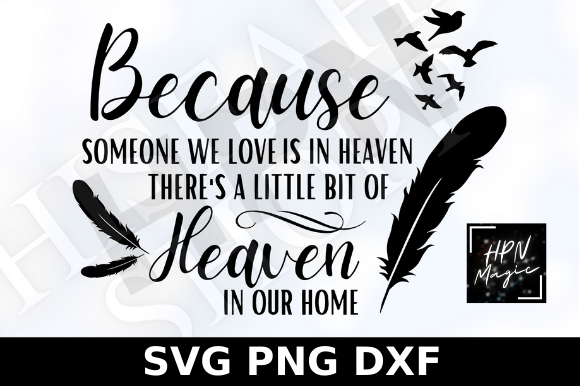
Because Someone We Love is in Heaven: A Designer's Review
As a designer who has spent years testing digital assets for real-world embroidery, I approach every new file with a mix of optimism and skepticism. The market is flooded with "instant download" graphics that look great on a screen but fall apart under the needle. When I first opened Because Someone We Love is in Heaven, my initial reaction wasn't about the sentiment alone, but about its structural integrity as a machine embroidery design. This falls squarely into the Illustrations and Graphics category, yet it needs to perform like a dedicated textile asset. After running several test stitches and visualizing this on various fabrics, here is my honest assessment of how this design holds up in actual production.
The First Stitch: Mood and Layout
The emotional weight of Because Someone We Love is in Heaven is immediately apparent. It carries a quiet, comforting gravity that works best when the typography and imagery are balanced without being cluttered. In my review, I looked closely at the vector lines provided in the SVG and DXF files. The layout feels spacious, which is a critical factor for embroidery. Unlike dense graphic tees that rely on solid blocks of ink, embroidery relies on thread density and negative space to create definition.
The design naturally suggests a vertical orientation, perfect for placement on the left chest of a sweatshirt or centered on a tote bag. The visual personality is gentle rather than bold, making it ideal for products where the message matters more than the flashiness. However, the success of this project hinges entirely on how well the stitch types translate the original vector art. If the running stitch used for outlines is too loose, the text may lose its legibility. If the satin stitch areas are too wide, they might pucker on lighter fabrics. From a pure design standpoint, the composition invites a soft, sentimental approach to the finished product.
Real-World Application: Where This Design Shines
I recently simulated using Because Someone We Love is in Heaven for a custom order involving personalized baby blankets and holiday gifts. The versatility of the included files—SVG, PNG, and DXF—makes it a strong candidate for multiple use cases. For a small business owner or an Etsy seller, the ability to switch between formats is a game-changer. You can use the SVG for cutting vinyl mockups to preview the item, while the DXF drives the embroidery machine directly.
- Custom Apparel: On a thick cotton sweatshirt or a denim jacket, this design creates a high-end, boutique feel. The contrast between the thread and the fabric texture adds depth that flat prints cannot achieve.
- Home Decor: Imagine this stitched onto a linen tea towel or a pillow cover. The design fits perfectly within standard framing sizes, allowing customers to display it as art even before it is framed.
- Baby Items: For a onesie or a nursery wall hanging, the gentle theme resonates deeply with parents. It transforms a simple garment into a cherished keepsake.
- Commercial Merchandise: For craft fair vendors, this design offers a ready-made solution for memorial items or sympathy gifts. It elevates the perceived value of the handmade product significantly.
In these scenarios, the embroidery project becomes more than just a decoration; it becomes a narrative tool. The clarity of the lettering ensures that the message is received instantly, fostering trust and emotional connection with the buyer.
Where Caution is Required
Despite its strengths, no design is universally perfect. There are specific contexts where Because Someone We Love is in Heaven requires careful handling to avoid disappointing results. My experience suggests that small hoop sizes can be problematic if the design includes intricate corners or tiny details that need to remain sharp. When working with thin or stretchy fabrics, such as lightweight t-shirts or jersey knits, the tension required for a clean finish might cause puckering unless the correct stabilizer is used.
Dense stitch areas are another potential pitfall. If the design utilizes heavy fill stitch in a small area, it may become stiff and uncomfortable, particularly on children's clothing or items meant for sensitive skin. Additionally, dark fabrics present a challenge; the thread colors must be chosen carefully to ensure they do not get lost against the background. Curved surfaces, like baseball caps, require a different digitization approach to maintain the curve of the text, so verifying that the DXF file is optimized for curved stitching is essential.
If you plan to sell finished items frequently, remember that designs requiring frequent washing must be durable. Over-stitching can lead to fabric distortion over time, so balancing aesthetic appeal with structural longevity is key.
Impact on Brand and Product Value
Using a well-executed design like this affects the entire lifecycle of your product. A professional-looking finished product builds brand consistency. When a customer receives a tote bag or a patch that features crisp, clear stitching, they perceive the quality of the entire shop to be higher. This design, with its heartfelt message, enhances giftability. It is the kind of item people hesitate to buy for themselves but readily purchase for others going through difficult times.
For digital product sellers, having the printable mockup capabilities allows you to showcase the design effectively in online listings. The clean lines of the vector file ensure that your previews look sharp on mobile devices and desktops alike. This visual clarity translates directly into buyer engagement, as customers can easily visualize the final result before purchasing the digital embroidery file.
Practical Designer Notes for Execution
Before you commit this design to a full production run, there are several technical steps you must take. First, always test the design on scrap fabric that matches your intended project material. This allows you to check thread color contrast and observe how the stitch density interacts with the fabric weave.
Review the stitch count and confirm the recommended hoop size for your specific machine. While the product description mentions instant access and easy framing, it does not specify exact stitch counts or compatibility with all machines. You must verify these details in your software before starting. Inspect small details closely; sometimes, what looks fine on a screen may appear muddy when rendered in thread. Testing the design in black and white mockups can also help you assess the balance of light and dark elements without the distraction of color.
Ensure you are using the proper stabilizer for your fabric type. For stable fabrics like canvas or felt, cut-away stabilizers often work best to prevent shifting. For stretchy materials, tear-away or wash-away options might be necessary depending on the stiffness required. Finally, confirm the licensing terms explicitly. Even though this is a commercial-grade asset, the rules for selling finished items versus reselling the digital file can vary. Check whether the license allows for unlimited production or if there are restrictions on the number of units you can sell.
Final Thoughts on Design Utility
Because Someone We Love is in Heaven stands out as a thoughtful addition to any designer's library. It bridges the gap between digital convenience and tangible craftsmanship. By paying attention to the nuances of fabric choice, stabilizer selection, and stitch settings, you can turn this vector graphic into a meaningful, high-quality embroidered piece. Whether you are creating a personal gift or expanding your line of small shop products, this design offers a reliable foundation for building emotional connections with your audience. Just remember that the magic lies not just in the file, but in the care taken during the stitching process.