Here for the Champagne: A Designer's Real-World Review
As someone who has spent years stitching, cutting, and selling handmade goods, I approach every new design file with a mix of excitement and skepticism. When I first downloaded Here for the Champagne, my immediate thought wasn't about the file formats or the marketing buzzwords. It was about the vibe. Does this design feel like something people actually want to wear? Does it translate well from a digital screen to a physical piece of fabric? After running several test stitches on various materials, I have some practical insights to share about how this design performs in real embroidery projects.
The First Impression: Mood and Visual Personality
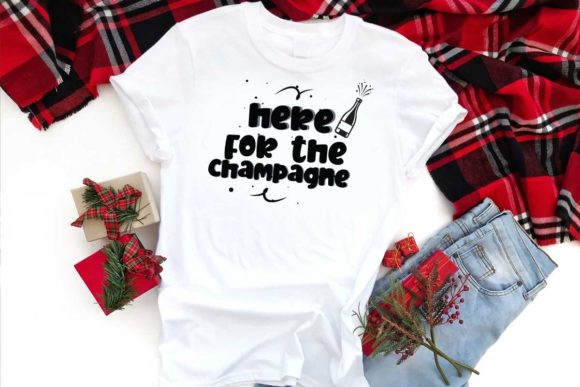
Here for the Champagne immediately strikes me as a celebration of good times. The typography is bold, playful, and undeniably festive. In the world of machine embroidery design, mood is everything because you are trying to capture an emotion through thread. This design feels like a toast at a bachelorette party, a milestone birthday, or a quiet victory after a long week. It creates a sense of joy that is hard to replicate with more serious or corporate designs.
The layout is clean enough to work on a variety of surfaces, yet detailed enough to hold attention. Unlike many graphic files that look great on a computer but turn into a mess when stitched, this one seems designed with the limitations of thread in mind. It avoids overly thin lines that might disappear during the stitching process. Instead, it relies on strong shapes and confident lettering that suggest a satin stitch finish. For a designer looking to create a custom apparel line or a batch of personalized gifts, this kind of visual confidence is crucial.
Real-Life Application: From Digital File to Finished Product
Let's talk about where this design shines. I recently tested Here for the Champagne on a custom embroidered tote bag project for a local boutique client. We wanted something that could double as a fun gift and a practical accessory. The design transferred beautifully onto the canvas material. The contrast between the thread and the fabric texture made the message pop without feeling overwhelming.
This file is also a fantastic candidate for sweatshirt embroidery. There is something inherently cozy about wearing a phrase like this on a heavy cotton blend. Imagine a baby shower gift where the parents-to-be get a onesie with this design, or perhaps a holiday gift set featuring kitchen towels and aprons. The versatility of the design allows it to fit seamlessly into categories like tote bag design, sweatshirt embroidery, and even holiday embroidery. It bridges the gap between a purely decorative item and a statement piece that customers will actually use.
For Etsy sellers and small business owners, the commercial potential is significant. A collection of products featuring Here for the Champagne could easily form the backbone of a boutique brand focused on celebrations and lifestyle. Whether you are creating an embroidered patch for a denim jacket or a baby embroidery project for a nursery blanket, the design holds up well under scrutiny. It adds a layer of professionalism to your handmade product line that elevates the perceived value of the finished item.
Where Caution is Required: Fabric and Technique Considerations
While I am impressed by the overall aesthetic, no design is perfect for every single scenario. As an experienced reviewer, I need to point out where Here for the Champagne might require extra care. If you are working with a very small hoop size, such as those used for hat embroidery or tiny patches, you must verify the dimensions of the file. Designs with dense lettering can sometimes become cluttered when scaled down too much, losing the clarity that makes them effective.
Fabric texture plays a massive role in the final outcome. On stretchy fabrics like jersey knits, the tension of the stitch density can cause puckering if not managed correctly. You will likely need a high-quality stabilizer to keep the garment flat. Similarly, textured fabrics like bouclé or heavy waffle weaves can hide the finer details of the design. In these cases, the design might lose its crispness, turning a sharp satin stitch into a slightly fuzzy blob. Always test on a scrap piece of your actual target fabric before committing to a final production run.
Dense stitch areas are another consideration. If the design includes large blocks of fill stitch, ensure your machine can handle the needle count without overheating the fabric. For dark fabrics, thread color selection becomes critical. A standard white thread might not provide enough contrast against black or navy backgrounds, requiring a specific choice of thread colors to maintain visibility. Furthermore, if you plan to wash the finished product frequently, check that the design does not snag easily on rough textures or loose threads.
Practical Notes for Designers and Makers
If you are planning to use this digital embroidery file for a commercial project, there are a few technical steps you should take to ensure success. First, always inspect the small details in your software before sending the file to the machine. Look for any gaps in the running stitch or areas where the fill stitch might overlap awkwardly. Confirm the hoop size requirements listed in the product description to avoid resizing issues later.
Testing is non-negotiable. Create a test run using scrap fabric to check the stitch density and thread tension. It is also wise to review the design in black and white mockups. Sometimes, color can distract from structural flaws that become obvious when viewed monochromatically. Compare how the design looks on light versus dark fabric backgrounds to ensure it maintains its visual appeal across different product variations.
Don't forget the basics of stabilization. Using the proper stabilizer is often the difference between a professional-looking result and a wrinkled disaster. Ensure your machine settings match the recommended specifications for the design type. Finally, confirm the licensing terms. Are you allowed to sell finished items created with this machine embroidery design? Do you need a separate license for the digital assets themselves? Clarifying these points protects your craft business and ensures you are operating ethically.
Final Verdict on Visual Appeal and Value
In conclusion, Here for the Champagne is a design that brings energy and personality to any project. It succeeds because it understands the medium of embroidery. It doesn't try to be something it isn't; instead, it embraces the texture and depth that thread provides. For designers, Etsy sellers, and creative entrepreneurs, this file offers a reliable foundation for building engaging product lines.
When executed correctly, the finished product exudes a sense of quality and thoughtfulness that buyers appreciate. It transforms a simple t-shirt or tote bag into a memorable keepsake. While it requires attention to detail regarding fabric choice and stabilization, the payoff in terms of customer satisfaction and brand consistency is well worth the effort. If you are looking for a design that balances fun, functionality, and professional polish, this one is definitely worth adding to your arsenal of design assets.