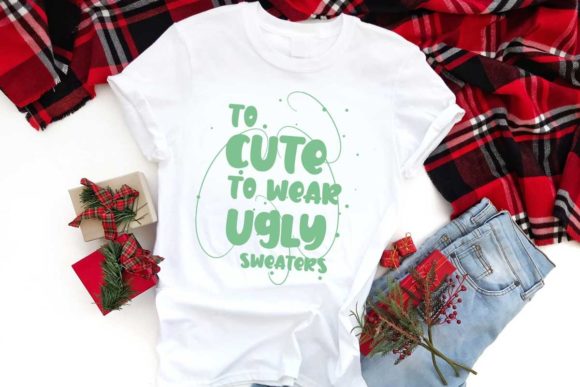
To Cute for an Ugly Sweater Christmas Review
As a designer who spends half her life staring at stitch density maps and the other half arguing with fabric tension, I don’t just buy digital files; I stress-test them. When To Cute for an Ugly Sweater Christmas landed in my inbox, I didn’t see just another holiday graphic. I saw a potential bestseller for the upcoming craft fair season, but I also saw the pitfalls that usually ruin a good concept. After running this design through my mental (and physical) embroidery workflow, here is my honest take on whether it belongs in your commercial catalog or your personal stash.
The First Impression: Mood and Visual Personality
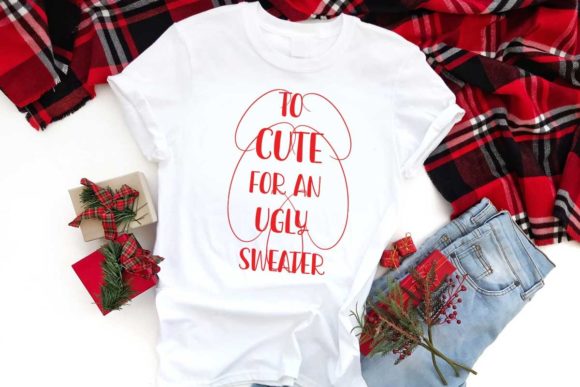
The title alone does the heavy lifting. "Ugly sweater" culture is a massive trend during the winter holidays, blending nostalgia with humor. This design taps directly into that sentiment. Visually, it feels cozy without being cluttered. The layout suggests a central focal point that works well on chest placements, which is crucial for custom apparel. It isn’t trying to be high art; it’s trying to be relatable, festive, and slightly cheeky. That is exactly what sells in the handmade product market right now.
From a pure aesthetics standpoint, the shapes appear clean enough to translate well into thread. There is no vague ambiguity in the silhouette, which is a relief. Ambiguous designs often result in muddy stitching where the eye doesn’t know where to rest. This one has clear boundaries, making it easier for the digitizer to define edges and for the machine to execute cleanly.
Real-World Application: Where Does It Shine?
I imagine this design thriving on specific substrates. While the file description mentions vinyl compatibility, its true strength lies in textile applications. Here is where I would deploy To Cute for an Ugly Sweater Christmas:
- Sweatshirt Embroidery: This is the obvious winner. Heavy cotton fleece provides a stable base for dense fills. The contrast of soft thread against rough fabric elevates the perceived value of the item.
- Tote Bag Design: A sturdy canvas tote with this stitched on the front pocket or centered creates an instant gift-ready item. It appeals to the Etsy seller demographic looking for low-cost, high-margin accessories.
- Baby Embroidery: If the scale allows, placing this on a onesie or a burp cloth hits the "cute" factor perfectly. Parents love personalized gifts that are humorous yet sweet.
- Holiday Embroidery Projects: Think kitchen towels, tea towels, or even pillow covers. These items are often bought as hostess gifts, and having a ready-made digital embroidery file speeds up production significantly.
When you look at how customers react to finished pieces, they respond to texture. A flat print looks cheap; embroidered thread catches the light. This design leverages that tactile quality to justify a higher price point in your small shop product listings.
Technical Considerations and Stitch Execution
This is where many designers get tripped up. Just because a graphic looks good on a screen doesn’t mean it stitches out well. With To Cute for an Ugly Sweater Christmas, we need to talk about stitch types. If the design utilizes heavy fill stitch areas, you must ensure your hoop size accommodates the garment without distorting the fabric. Conversely, if it relies on satin stitch borders, those edges need to be crisp to maintain legibility.
I strongly advise checking the stitch density before committing to mass production. If the design is too dense for a thin t-shirt fabric, it will pucker and look unprofessional. However, on heavier materials like sweatshirts or denim bags, that density adds substance. You want the embroidery to feel like part of the garment, not a sticker slapped on top.
Also, consider the thread colors. Holiday themes often involve reds, greens, and golds. Ensure your thread selection offers enough contrast against your chosen fabric. On dark fabrics, you might need a underlay or a lighter thread choice to make the details pop. Always test the colorway in a printable mockup first to visualize the final effect.
Where to Use Caution
Not every surface is created equal. There are scenarios where this design might struggle:
- Small Hoop Sizes: If the design includes intricate text or tiny decorative accents, shrinking it down to fit a small hoop can cause details to bleed together. Keep it large enough to breathe.
- Textured Fabrics: Avoid using this on bouclé wool or heavily napped fabrics. The needle will have trouble piercing consistently, and the thread may get lost in the texture.
- Stretchy Knits: Unless you are using a strong stabilizer, stretchy fabrics can distort the shape of the design, especially if there are straight lines involved. Test carefully.
- Curved Surfaces: Applying this to caps or rounded hat fronts requires advanced technique. The perspective shift can warp the image if not anchored properly.
Commercial Viability and Branding
For the craft business owner, the question is always: "Will this sell?" Yes, it will, provided the execution is professional. The "ugly sweater" niche is evergreen during Q4. By offering this as part of your design assets or as a finished good, you tap into a market that values humor and tradition.
However, brand consistency matters. If your shop is known for minimalist, modern embroidery, this playful design might feel out of place. But if your brand is fun, colorful, and family-oriented, it fits perfectly. It enhances customer trust because it shows you understand current trends and can deliver on them technically.
Practical Designer Notes Before You Stitch
Before you upload this to your machine or list it on your website, follow these steps:
- Test on Scrap Fabric: Never assume. Stitch it out on the actual fabric you plan to sell. Check for puckering, thread breaks, and alignment issues.
- Check Licensing: Confirm whether this embroidery file allows for commercial use. Selling finished items is different from selling the digital download itself. Make sure you have the rights for both.
- Inspect Small Details: Zoom in on the SVG or EPS preview. Are any lines too thin? Will they stitch cleanly, or do they need to be thickened?
- Stabilizer Selection: Match your stabilizer to the fabric weight. A heavy cut-away stabilizer is likely needed for stretchy or heavy items to prevent distortion over time.
- Black and White Mockup: View the design in grayscale. This helps identify if the contrast levels are sufficient for readability, regardless of color choices.
Final Verdict
To Cute for an Ugly Sweater Christmas is a solid addition to any embroidery project library focused on seasonal sales. It balances visual appeal with practical stitching requirements, making it suitable for everything from personalized gifts to boutique merchandise. Just remember: the difference between a amateur-looking piece and a professional one often comes down to preparation—hooping, stabilizing, and testing. Do that, and this design will likely become a customer favorite.