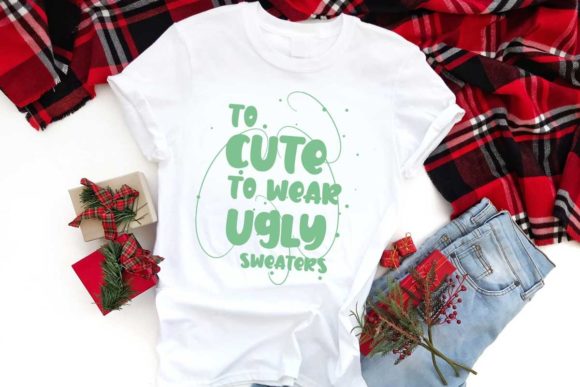
To Cute to Wear Ugly Sweater: A Designer's Review
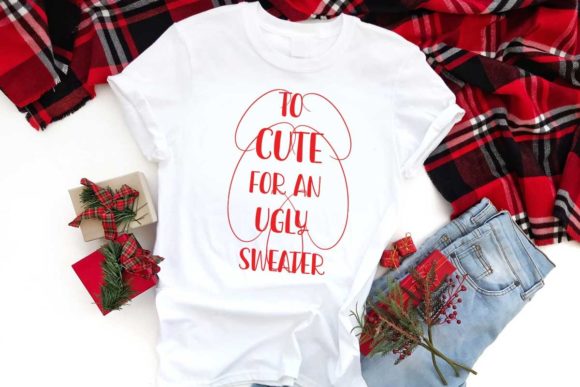
When I first opened the To Cute to Wear Ugly Sweater file, my initial reaction was a mix of amusement and professional curiosity. As someone who has spent years refining embroidery designs for clients and crafting personal projects, I know that the difference between a design that looks great on a screen and one that stitches beautifully is often in the details. This piece immediately strikes me as a mood-setter. It captures that specific holiday spirit where humor meets coziness, making it perfect for anyone looking to add a touch of personality to their handmade goods.
The concept itself is a winner for the current market. We are seeing a massive surge in demand for "ugly sweater" aesthetics, but with a modern twist. The playful tone of To Cute to Wear Ugly Sweater suggests a design that is approachable rather than kitschy. For small business owners and Etsy sellers, this is exactly the kind of graphic that can drive engagement because it invites interaction. It feels like something you would want to see on a friend's tote bag or a baby's onesie during the holidays.
Real-World Application: From Screen to Stitch
Let's imagine a real scenario. You are preparing for the upcoming craft fair season, and you need to create a line of boutique products that stand out without being overwhelming. You decide to use To Cute to Wear Ugly Sweater for a custom embroidered tote bag. The goal is to create a product that customers will actually carry, not just display.
In this context, the design needs to hold up under the rigors of daily use. When I visualize stitching this onto a canvas tote, the layout seems balanced. It avoids the common pitfall of overcrowding the design area. However, the success of this project hinges on how well the machine handles the specific elements of the file. If the design includes text, the lettering must remain crisp even after multiple washes. If it features a character or illustration, the stitch density needs to be sufficient to prevent fabric show-through but not so high that it creates a stiff, cardboard-like texture.
I also considered using this design for a holiday gift project. Imagine a personalized apron for a hostess gift or a pillow cover for a nursery. The phrase To Cute to Wear Ugly Sweater adds a narrative element to these items. It transforms a simple textile into a statement piece. For commercial embroidery projects, this versatility is gold. It bridges the gap between seasonal decor and everyday apparel, allowing you to sell the same design asset across different product categories throughout the year.
Where the Design Shines
This embroidery file finds its sweet spot on medium-to-large surface areas. T-shirts and sweatshirts are the obvious choices, but don't limit yourself. I believe this design could work exceptionally well on a denim jacket patch or a sturdy kitchen towel. The visual weight of the design seems appropriate for these materials, providing enough detail to be interesting without becoming muddy when stitched.
For digital product sellers, offering this as part of a bundle makes sense. Customers looking for T-Shirt Designs often want variety. Including To Cute to Wear Ugly Sweater alongside other festive graphics gives them a complete collection to work with. The inclusion of various formats like PNG, SVG, EPS, DXF, and PDF mentioned in the description is a huge plus. It means the design can serve as both a direct machine embroidery design and a versatile graphics asset for vinyl cutting or printing mockups.
When used on baby embroidery projects, such as a christening gown or a blanket, the cute factor really pops. Parents love items that tell a story or evoke a smile. This design does exactly that. It signals that the maker put thought into the selection, which builds trust and enhances the perceived value of the finished product.
Critical Considerations for Execution
While the concept is strong, every designer knows that execution is everything. There are specific scenarios where To Cute to Wear Ugly Sweater requires careful handling. First, consider the hoop size. If you attempt to stitch this on a very small item, like a cap or a tiny patch, you might run into issues with proportion. Details that look fine on a large t-shirt can become indistinguishable blobs when shrunk down to fit a 4x4 hoop.
Fabric choice is another critical factor. This design likely relies on good contrast between the thread colors and the background. On dark fabrics, you will need to ensure your thread selection is vibrant enough to pop. Conversely, on light fabrics, you must check if any fill stitches are too dense, which could cause the fabric to pucker. Textured fabrics, like heavy fleece or boucle, present their own challenges. The needle might struggle to penetrate thick piles, leading to skipped stitches or misalignment.
Stretchy fabrics require special attention. If you plan to embroider this on a jersey knit t-shirt or a stretchy baby outfit, you absolutely must use a proper stabilizer. Without adequate support, the design will distort once the garment is stretched or washed. Always test on scrap fabric first. This simple step can save you from ruining a customer's order or wasting hours of rework.
Stitch Density and Detail Check
One of the most important things to verify before running a commercial batch is the stitch density. High-density areas can make the final product feel stiff and uncomfortable, especially for wearable items like sweatshirts. If the design uses satin stitches for outlines, check that they aren't too narrow, as they can break easily on curved surfaces like hat brims. Similarly, if there are tiny lettering elements, inspect them closely. Tiny text often gets lost in the stitching process, turning into a blurry mess unless the resolution is perfectly optimized.
If the file is intended for vinyl cutting as well, keep in mind that the cut lines must align perfectly with the stitch paths if you plan to layer them. The description mentions it works as a cool vinyl sticker, which opens up hybrid possibilities. You could combine the embroidery with a vinyl applique to add dimension, but this increases the complexity of the production process.
Making the Final Decision
So, is To Cute to Wear Ugly Sweater worth adding to your library? For craft business owners and Etsy sellers, the answer is generally yes, provided you manage the technical aspects correctly. It offers a unique angle that fits perfectly into the holiday marketing calendar while remaining relevant enough for general winter wear.
Before committing to a full production run, I recommend creating a printable mockup to see how the design interacts with different backgrounds. Test it in black and white to ensure the composition holds up without color distraction. Also, confirm the licensing terms. Ensure you have the right to sell finished items made with this digital file, as some creators restrict commercial use.
Ultimately, the best designs are those that solve a problem or bring joy. To Cute to Wear Ugly Sweater brings a smile, and that emotional connection is what drives sales in the handmade market. By paying attention to fabric texture, stabilizer usage, and stitch quality, you can turn this digital asset into a stunning finished product that your customers will cherish. Whether it ends up on a boutique shelf, a holiday gift box, or a child's first sweater, this design has the potential to be a standout addition to your portfolio of design assets.